Fatekeeper Beginner Guide
A practical first-playthrough route for Fatekeeper players who want to understand combat, skills, weapons, spells, alchemy, and Early Access uncertainty before committing to a build.
Last Updated:
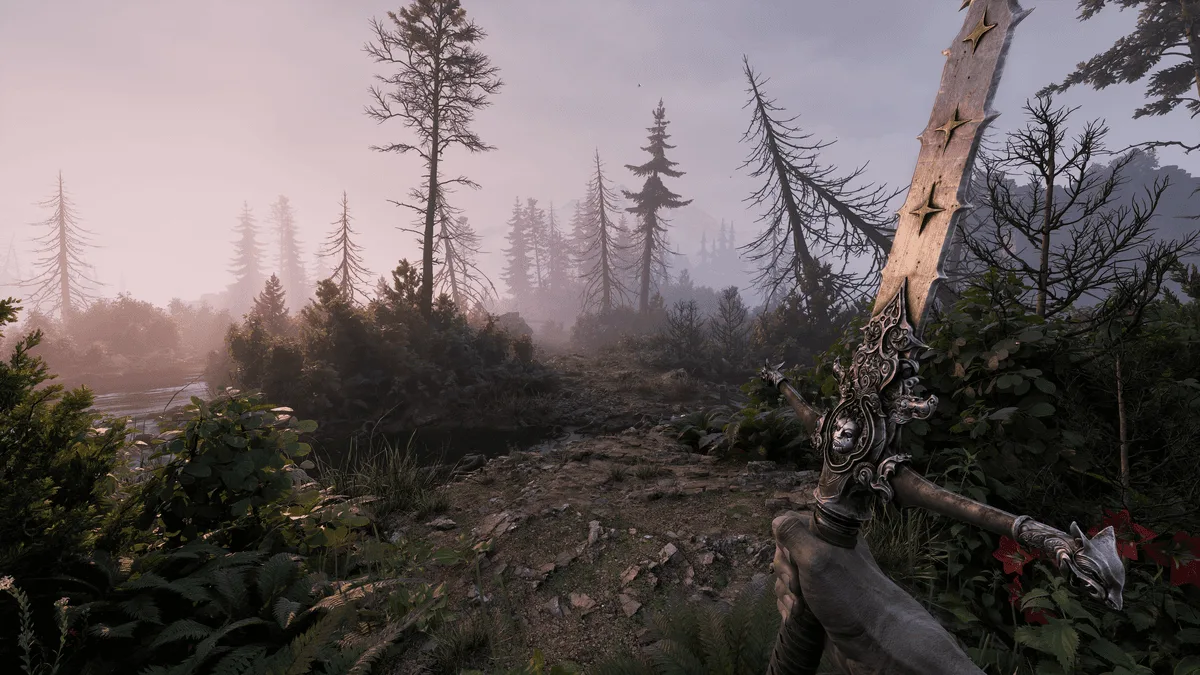
What is Fatekeeper?
Fatekeeper is positioned as a first-person dark fantasy action RPG where your moment-to-moment success depends on reading enemy movement, managing resources, and building a character that fits the way you naturally solve danger. This beginner guide focuses on practical decisions instead of final numeric rankings, because Early Access systems can shift between patches.
If you are arriving from a search for a Fatekeeper guide, the safest expectation is that this site is a player-facing reference, not an official manual. We explain build logic, route planning, and placeholder recommendations in original language, supported by visual references where they help readers recognize real game objects.
Beginner Tips Before You Start
Start with one simple goal: survive long enough to learn. Many new players in action RPGs make early progress harder by chasing damage before they know how enemy timing works. A balanced first route should give you enough health, stamina, healing, and weapon comfort to recover from imperfect decisions.
Treat every unknown room as a test of information. Pull one enemy when possible, watch how far attacks travel, and avoid spending your full stamina bar on the first opening. If Fatekeeper changes enemy placement, item names, or skill values in later updates, these fundamentals still remain useful.
- Pick one primary weapon family early instead of upgrading everything.
- Carry a spell or consumable that helps you recover from mistakes.
- Read patch notes before trusting old route advice.
- Use placeholder build recommendations as training wheels, not permanent rules.
Combat Basics
The most important beginner combat habit is restraint. In first-person melee RPGs, it is easy to overcommit because the enemy is close and the screen feels urgent. Safer play usually means waiting for a clear attack, stepping into a short punish, then leaving stamina for blocking, dodging, or repositioning.
Spacing matters as much as raw damage. A spear-like weapon role rewards patient distance, a sword-like role rewards flexible timing, and a heavier weapon role rewards commitment only when you already know the enemy recovery window. If a fight feels unfair, change the distance before changing the build.
How Weapons Work
Because complete verified weapon data may change during Early Access, this guide describes weapons by combat role. Beginners should first ask whether a weapon helps them control distance, recover after a swing, block safely, or punish a stagger. A weapon that feels slightly weaker but keeps you alive is often better than a high-risk weapon you cannot yet time.
Use the weapons guide when you want a deeper breakdown of weapon families and placeholder comparison tables. For a first character, choose one reliable weapon and keep a secondary option for enemies that punish your main rhythm.
How Spells Work
Spells are valuable even if you are not building a full mage. A small ward, short ranged poke, or recovery charm can solve problems that melee alone makes stressful. The beginner mistake is treating magic as an all-or-nothing identity: either pure caster or no spell use at all.
A better approach is to assign each spell a job. One spell can open fights, one can protect you during mistakes, and one can provide utility during exploration. Avoid spending every resource on damage if you do not have a plan for the next enemy.
Skill Tree Basics
The safest beginner skill tree route is narrow at first and wider later. Put points into survival and one combat plan, then branch after the game teaches you which problems actually matter. If you unlock every interesting node as soon as it appears, you risk becoming flexible on paper and weak in practice.
Look for skills that improve uptime: stamina recovery, potion efficiency, guard stability, basic weapon mastery, or mana comfort. Exact node names may change, so think in terms of function. A skill that lets you make one more safe decision per fight is often more valuable than a flashy bonus you cannot activate consistently.
Alchemy and Healing
Alchemy should be treated as part of your build, not a side menu you ignore until you are stuck. Healing items extend exploration, stamina mixtures support melee pressure, and mana recovery makes spell routes less brittle. The exact recipes on this site are placeholder recommendations until verified in-game.
The practical beginner rule is to enter new routes with recovery for the resource you spend most often. If you block and sprint constantly, carry stamina support. If you cast to control fights, carry mana support. If you are still learning enemy timing, prioritize healing before damage mixtures.
Exploration Tips
Exploration in a dark fantasy action RPG is rarely just walking between fights. It is resource planning. Before pushing deeper, check whether you still have healing, whether your main weapon is comfortable for tight spaces, and whether you know how to retreat if the next room is worse than expected.
Build a habit of mental map notes: shortcuts, locked paths, risky enemy clusters, and safe recovery points. Later, this site can expand into route maps or patch-specific walkthroughs, but the first phase focuses on decision-making that remains useful even when Early Access layouts change.
Common Beginner Mistakes
The most common mistake is trying to optimize before understanding the game. A build guide can give direction, but it cannot replace learning the timing of attacks and the cost of each action. Another mistake is assuming that a difficult fight means your character is broken; often it means your resource plan is wrong.
Do not hoard every consumable forever. Consumables exist to turn uncertain areas into manageable areas. Use weaker supplies to learn, save stronger supplies for bosses or long routes, and update your plan after each patch if item availability changes.
Best Early Game Build
For a first Fatekeeper character, the best early game build is usually a beginner survival route: one balanced weapon, one defensive or recovery spell, stamina comfort, and enough healing support to keep exploring. This does not mean playing passively forever. It means buying yourself time to learn without restarting every encounter.
After you feel confident, branch toward melee, mage, or hybrid identity. The build planner on this site can help you choose a simple direction, but it is intentionally Lite and unofficial. It does not claim to recreate the official skill tree or final game balance.
FAQ
What is Fatekeeper?+
Fatekeeper is a first-person dark fantasy action RPG currently discussed around Early Access progression, exploration, melee combat, spells, alchemy, and build planning.
Is Fatekeeper beginner friendly?+
It can be approachable if you play carefully, invest in survival first, and avoid spreading early skill points across too many systems.
What should beginners level first?+
Until exact balance is verified, beginners should prioritize survival, stamina comfort, one dependable weapon path, and a simple defensive or recovery spell.
Should I follow a strict build in Early Access?+
Use a build as a route, not a law. Mechanics and balance may change during Early Access, so leave room to adapt after patches.
Related Guides
Best Fatekeeper Builds
Discover the best Fatekeeper builds for Early Access, including melee builds, mage builds, hybrid builds, beginner builds, and recommended skills.
Fatekeeper Skill Tree Guide
Learn how the Fatekeeper skill tree works, which skills to unlock first, and how to plan beginner, melee, mage, and hybrid builds.
Fatekeeper Weapons Guide
Explore Fatekeeper weapons, weapon types, combat tips, best early weapons, and how to choose the right weapon for your build.
Fatekeeper Alchemy Guide
Learn how alchemy works in Fatekeeper, including plants, potions, healing, resource recovery, useful recipes, and beginner alchemy tips.
Build Planner Lite
Use the mock planner after reading this guide to choose a simple starting route.