Fatekeeper Weapons Guide
A role-based weapon guide for beginners and build planners, with placeholder comparison data that can later be replaced by verified weapon records.
Last Updated:
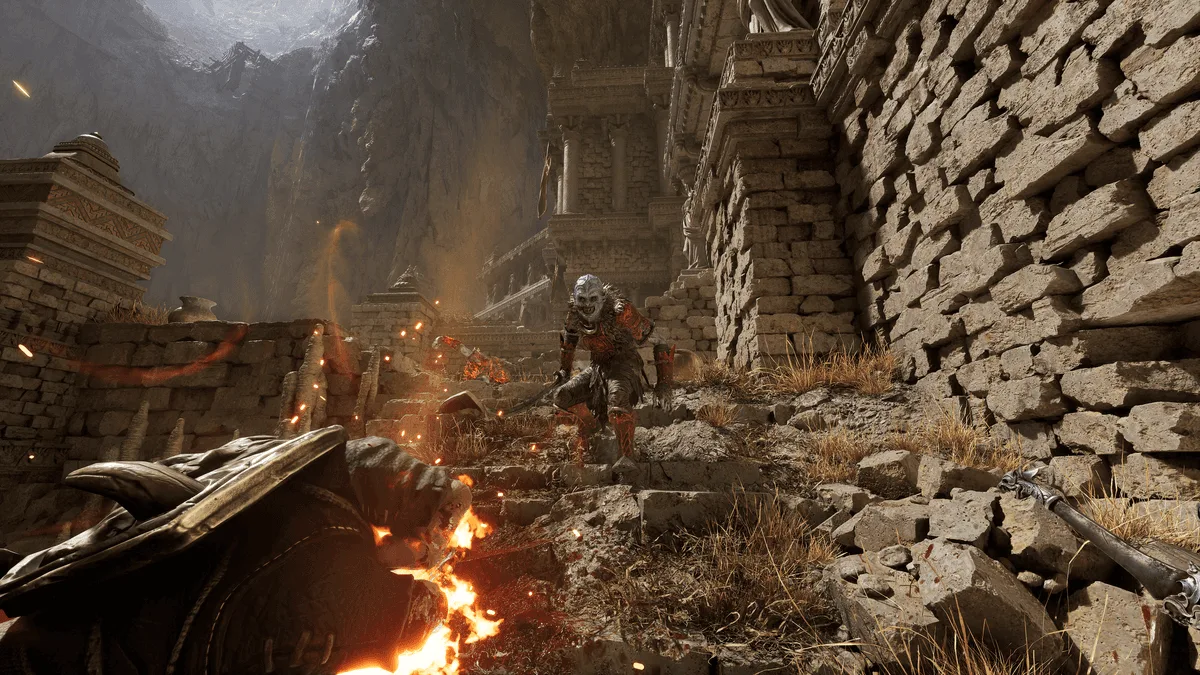
How Weapons Work
Fatekeeper weapons should be evaluated by rhythm, spacing, and recovery before raw damage. In a first-person action RPG, the weapon you can safely use is usually stronger than the weapon with the most impressive theoretical output. This is especially true during Early Access when exact numbers may shift.
A weapon's job is to answer a combat situation. Balanced swords help new players learn timing. Spears or reach weapons help control distance. Heavy weapons reward commitment and enemy knowledge. Light weapons protect casters from being helpless at close range.
Weapon Types
This first version groups weapons by role rather than verified final categories. Balanced weapons are safest for a first character because they rarely create extreme weaknesses. Reach weapons are excellent for pulling single enemies and testing attacks. Heavy weapons are powerful when the player already understands openings.
Light weapons should not be dismissed as weak. They often solve a different problem: quick recovery. If your build needs to cast, reposition, or escape after short punishes, a lighter weapon can be the difference between a clean fight and a panic heal.
Best Weapons for Beginners
The best beginner weapon is usually balanced, readable, and forgiving. Look for something that lets you make one attack, observe the enemy response, and still defend. A sword-and-shield style or spear-like spacing tool is easier to learn than a slow weapon that demands perfect knowledge.
Beginners should also keep a backup. If your main weapon struggles in cramped corridors or against fast enemies, swapping roles is better than forcing the same answer into every problem.
Best Weapons for Melee Builds
Melee builds can justify heavier weapons because they invest in stamina, guard stability, and close-range resilience. That support makes high-commitment attacks safer. Without those skills, a heavy weapon can feel impressive until the first missed swing.
If you want a melee bruiser route, pair damage with defensive timing. Use a shield, ward, or stamina support option until you know which enemies can be staggered and which enemies require patience.
Best Weapons for Hybrid Builds
Hybrid builds need weapons that do not fight their spell plan. A medium sword, curved blade, spear, or light weapon role can all work if they leave enough recovery to cast. A weapon that locks you into long animations may reduce the value of quick magic.
Choose the weapon first, then pick spells that fill its gaps. If the weapon is short-range, use a ranged or control spell. If the weapon is slow, use a defensive spell. If the weapon is safe but low pressure, use magic for finish windows.
Combat Tips
Do not judge a weapon after one fight. Test it against a slow enemy, a fast enemy, a tight room, and an open space. The best weapon for your build is the one that stays useful across several kinds of pressure.
Also, avoid upgrading or committing to many weapons before understanding your own rhythm. A focused weapon path creates stronger skill synergy and cleaner muscle memory than a crowded inventory of half-supported tools.
Weapon Comparison Table
| Weapon Role | Strength | Risk | Best Build Fit |
|---|---|---|---|
| Balanced sword | Flexible timing and approachable recovery | Not specialized for maximum stagger or reach | Beginner, hybrid |
| Spear or reach weapon | Safer spacing and controlled pulls | May feel weaker in tight rooms | Explorer, survival |
| Heavy axe or hammer | High commitment pressure and stagger potential | Punishes missed timing | Melee bruiser |
| Dagger or light blade | Fast fallback and quick recovery | Requires staying close | Mage fallback, agile hybrid |
FAQ
What are the best weapons for beginners?+
Beginners should use balanced or reach-focused weapons that make spacing and recovery easier, rather than chasing the highest damage option immediately.
Are heavy weapons good?+
Heavy weapons can be strong when you know enemy windows, but they punish missed timing more than faster options.
Should mages carry weapons?+
Yes. A fast fallback weapon is useful when enemies close distance or when mana is low.
Is the weapon data final?+
No. Weapon names, stats, and balance are placeholder recommendations until verified in Fatekeeper Early Access.
Related Guides
Fatekeeper Beginner Guide
Start your Fatekeeper journey with this beginner guide covering combat tips, skill tree basics, weapons, spells, alchemy, exploration, and Early Access advice.
Best Fatekeeper Builds
Discover the best Fatekeeper builds for Early Access, including melee builds, mage builds, hybrid builds, beginner builds, and recommended skills.
Best Skills in Fatekeeper
Find the best skills in Fatekeeper for beginners, melee builds, mage builds, hybrid builds, and Early Access progression.
Fatekeeper Spells Guide
Learn about Fatekeeper spells, spell types, best spells for beginners, magic builds, hybrid builds, and combat strategies.